
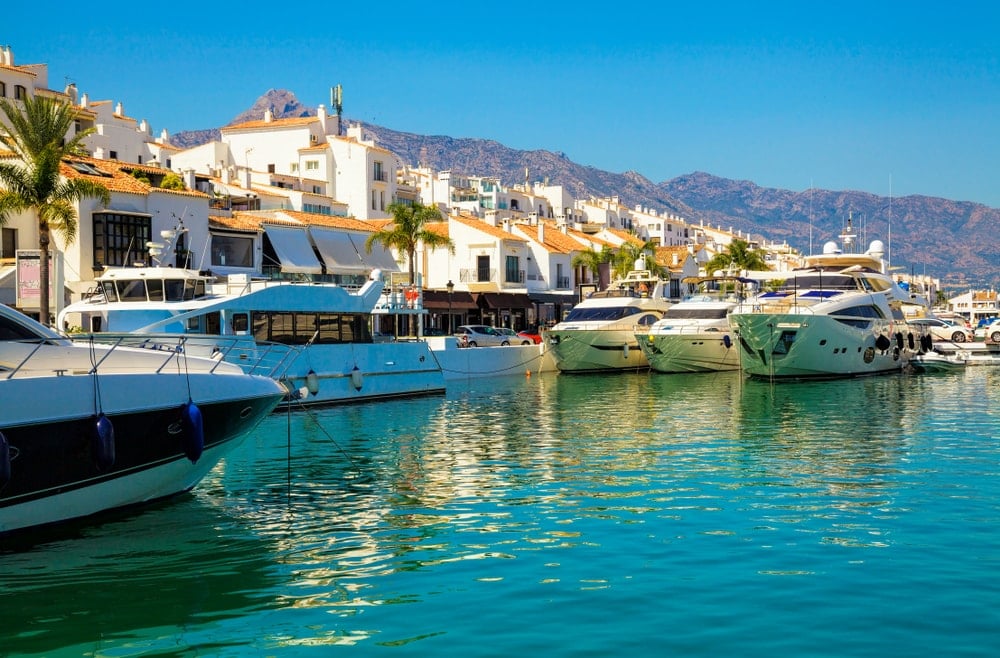
International residents love Marbella, and in the latest census there were over 150 nationalities calling it home.
However, while it’s a beautiful place to live, it’s not perfect, and you definitely have to take the rough with the smooth.
If you’re dreaming of emigrating to the Costa del Sol, or purchasing yourself a holiday home there, you need to be realistic and look at the frustrations and difficulties of living there, alongside the many benefits.
To help anyone deciding whether the Costa del Sol is right for them, we asked Spanish property experts Sean Woolley and Darren Simons from Cloud Nine Spain to share some of their bugbears and annoyances about living and working on the Costa del Sol.
Darren Simons explains why this is important; “I think sometimes you get a very glossy image of Marbella and its surroundings. Social media and marketing depict it like everything’s perfect and idyllic; everyone looks glamorous all the time and drives fabulous cars. But we prefer to admit that it isn’t perfect! The sun doesn’t shine every day and there are some things that annoy us about living here.”
Here are the 7 things that don’t normally make it into the brochures!
-
Seasonal overcrowding
The Costa del Sol is one of the world’s most popular holiday destinations. That means that Marbella, Puerto Banus and all along the Costa del Sol does get very, very busy in the peak summer months.
From mid-July to the end of August, the traffic is heavier, the shops are busier, parking is difficult to find and the restaurants are packed. These are probably the residents’ least favourite times of the year, and you’ll often hear them complaining. As Sean explains, “If I could get out of here for those 6 weeks, I would. You should.”
-
High cost of property and cost of living in prime areas
Supply and demand and the prestige of being a luxury, high-end destination means that in the very best areas you will pay top dollar to purchase property, rent property and go out. However, these hyper premium areas are actually few and far between. Some parts of Marbella, such as the Golden Mile, Puerto Banus, Nueva Andalucia, the Golf Valley, and areas such as Benahavís are premium areas and you pay for the privilege of living there or going out there.
However, there are lots of other options. Marbella centre has lots of affordable areas, bars and restaurants, and head just 10 minutes out of town and you’ll find that your money goes a lot further. Head inland and the costs plummet even further.
Sean explains, “It’s still premium here, but it’s not ridiculous. You can always find little pockets of value, but generally speaking, we are in a premium place, so expect to pay a premium to live in the best areas.”
-
Bureaucracy and red tape
The Spanish do seem to love a bit of red tape! It’s tough to cope with, especially if you’re running a business. For example, in Spain, everything has to be notarized. Whereas in the UK if you wanted to change something in the company’s deeds, you could do that online for a low fee, here, you have to sit in a notary and wait, sometimes for many hours and pay a high fee.
Sean explains; “The bureaucracy is the one thing that can drive people to give up and return home. It’s very frustrating and even more challenging if you don’t speak the language. It can be slow, it can be confusing, but you have to take it as part of living here.”
-
Seasonal employment
Many jobs, especially in hospitality or tourism, are temporary and often low paid. While this is changing, the job landscape remains challenging, with temporary, seasonal contracts offered for the peak season, and very little for off peak times.
Sean is positive that this is improving and comments, “it will be interesting to see how this progresses, as we’re getting a lot more entrepreneurs moving from overseas. Since COVID, a lot of younger, working age, talented people are coming over here and they want to be busy and create Marbella as a business hub. That would be very positive for the younger people entering the job market if it happens, but for now it is important to be realistic when thinking of your job prospects.”
-
Limited public transport outside of cities
There’s no train line to Marbella. In fact, Marbella is the largest town in Spain not to have a train line and this does cause issues for residents without a car or a driving licence.
There are local buses and longer distance buses which link the towns on the Costa del Sol, but they aren’t very frequent, or very reliable, and don’t serve a lot of the residential areas. There are taxis, and a low level of Uber and Bolt cars, but really you need a car, unless you live in Malaga, or possibly a town like Benalmadena and Fuengirola which are on the train line.
-
Language barrier
Moving to Spain obviously means not everyone speaks English and this can be challenging, particularly if you’re trying to deal with the public health system and deal with the local authorities and officials. However, due to the level of international residents and tourists, English is commonly spoken and there are translators in the hospitals and many police stations to help. But it’s important to understand that you may need to pay for translators, and things that may have been easy at home will be more challenging in a Spanish speaking environment.
-
Droughts, water restrictions and wild fires
Recent years have brought some serious drought conditions and concerns about whether the reservoirs could cope with the water needs. Thankfully the rains have come in time, and there was high rainfall in 2025 which avoided water restrictions being put in place. However, this is an ongoing issue which is likely to worsen and will need to be managed through legislation and new technology such as de-salination. The hot dry summers also cause a high risk of wild fires and of course this can cause damage to property and wildlife, as well as being uncomfortable for residents and tourists.